Water damage restoration follows a structured sequence of phases that professional technicians have refined over decades of field experience. Each phase builds on the previous one, and skipping or rushing any step compromises the integrity of the entire restoration. Auburn, GA homeowners who understand this process gain a significant advantage when coordinating with restoration service providers and insurance carriers because they know what questions to ask and what benchmarks to expect at every stage.
The process below reflects IICRC S500 standards, the industry framework that governs water damage restoration across the United States. Our Auburn technicians follow these protocols on every project, whether the damage involves a slow supply line leak beneath a bathroom vanity or a catastrophic pipe burst that floods an entire lower level. The timeline from initial emergency call to final reconstruction typically spans 1 to 3 weeks depending on damage severity, contamination category, and the scope of structural involvement.
Phase 1: Emergency Response Reaches Auburn Properties Within 60 Minutes
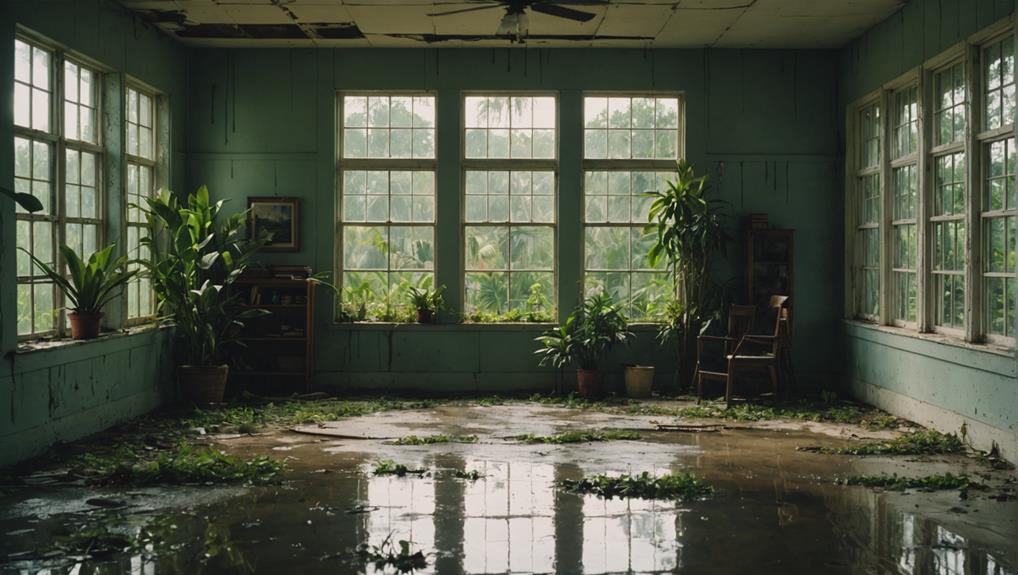
The first hour after water damage occurs determines how much of your Auburn property can be saved. Every minute that standing water remains in contact with building materials, the damage deepens. Drywall absorbs moisture at a rate that renders it unsalvageable within hours. Hardwood flooring begins to warp and cup. Electrical systems face short-circuit risks that escalate into fire hazards. Our emergency response teams deploy from local staging positions to reach Auburn, GA properties within 60 minutes of your initial call, arriving equipped with the assessment tools, personal protective equipment, and extraction hardware needed to begin immediate stabilization.
The emergency response phase establishes the foundation for every subsequent restoration decision. Technicians who rush through this phase or skip critical evaluation steps create problems that compound throughout the project. Our teams follow a structured assessment protocol that takes approximately 45 to 90 minutes to complete, depending on property size and damage complexity. This investment in thorough initial evaluation consistently reduces total project timelines and overall restoration costs because it prevents misdirected effort in later phases.
Safety Assessment Evaluates Electrical Hazards and Structural Integrity
Before any restoration work begins, our technicians conduct a comprehensive safety assessment that addresses the two most dangerous conditions present in water-damaged structures: electrical hazards and compromised structural elements. Standing water conducts electricity, and Auburn homes with flooded basements or lower levels present immediate electrocution risks if circuits remain energized. Our technicians verify breaker panel status, identify submerged outlets and junction boxes, and coordinate with Georgia Power when utility-level disconnection becomes necessary.
Structural integrity evaluation follows the electrical assessment. Water saturation weakens load-bearing components including floor joists, wall studs, and ceiling supports. Our technicians probe these structural members with calibrated moisture meters and use thermal imaging cameras to identify hidden saturation patterns behind walls and above ceilings. Properties that show signs of structural compromise receive temporary shoring before extraction work begins, preventing collapse scenarios that endanger both occupants and restoration crews. This safety-first approach protects everyone on site and establishes the documented baseline that insurance adjusters require for claim processing.
Water Source Identification Stops Active Intrusion
Identifying and stopping the water source ranks as the most consequential action in the entire restoration process. Extraction equipment cannot outpace active water intrusion, and every gallon that continues to enter the structure deepens the damage footprint. Our technicians trace water migration patterns back to their origin using a combination of visual inspection, moisture mapping, and pressure testing on supply lines. Common water sources in Auburn properties include failed supply line connections beneath sinks and toilets, ruptured water heater tanks, compromised dishwasher and washing machine hoses, HVAC condensate drain overflows, and roof penetrations that allow storm water infiltration during Georgia's severe weather events.
Once identified, our technicians implement immediate source control. Plumbing failures receive emergency shutoff at the nearest isolation valve or at the main water supply. Roof penetrations receive temporary weatherproofing to prevent additional intrusion during the restoration period. Appliance failures trigger disconnection from both water supply and electrical circuits. Only after confirming that active water intrusion has stopped completely do our teams advance to the extraction phase. Homeowners who attempt DIY water damage cleanup often skip this critical step, extracting water while the source continues to replenish it.
IICRC S500 Category Classification Determines Protocols
The IICRC S500 standard classifies water damage into three categories that determine the safety protocols, equipment requirements, and disposal procedures technicians must follow throughout the restoration. This classification directly impacts project scope, timeline, and cost.
- Category 1 (Clean Water): Water originates from a sanitary source such as a supply line, faucet, or ice maker connection. This water poses no immediate health risk and allows the broadest range of material salvage options.
- Category 2 (Gray Water): Water contains chemical, biological, or physical contaminants that may cause discomfort or illness. Sources include dishwasher overflows, washing machine discharge, and toilet overflows with urine but no fecal matter. Additional personal protective equipment and antimicrobial treatments become mandatory.
- Category 3 (Black Water): Water is grossly contaminated and may contain pathogenic organisms, toxic substances, or other harmful agents. Sewage backups, rising floodwater, and water that has remained stagnant for over 48 hours fall into this category. Extensive safety protocols and material disposal requirements apply.
Category classification is not static. Water that enters a structure as Category 1 can degrade to Category 2 or Category 3 based on contact time, temperature, and the materials it encounters. A clean supply line break that remains unaddressed for 48 hours transitions to Category 3 because bacterial colonization reaches hazardous levels. This progressive contamination underscores why rapid professional response saves Auburn homeowners significant money. Earlier intervention means a lower contamination category, which means fewer materials require disposal and replacement.
Phase 2: Water Extraction Removes 95% of Standing Water Within 24 Hours
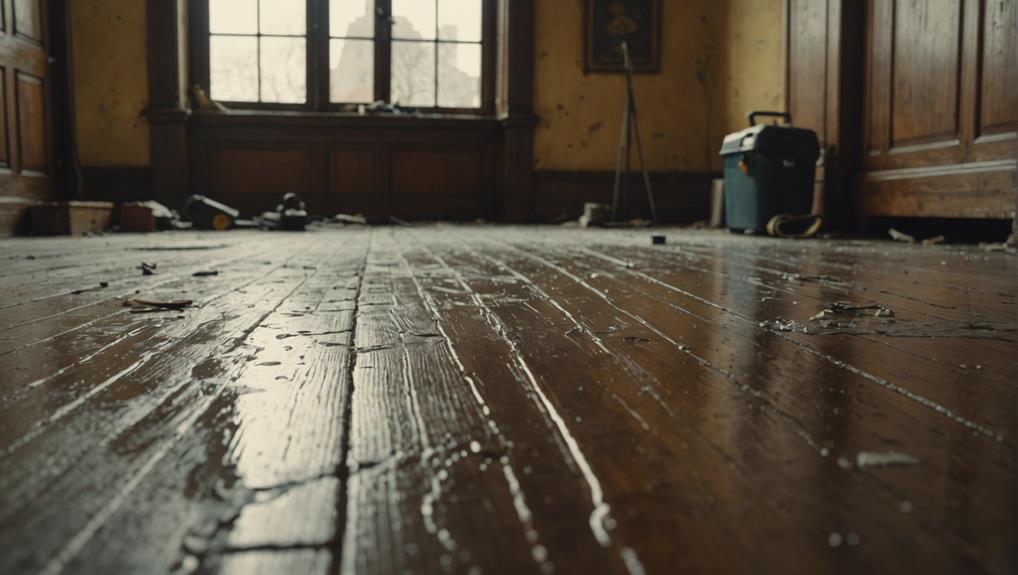
Water extraction represents the most physically intensive phase of the restoration process and delivers the most dramatic visible progress. Auburn homeowners who watched water rise through their living spaces find reassurance in seeing industrial extraction equipment rapidly reverse that intrusion. Our extraction teams aim to remove 95% of standing water within the first 24 hours, a benchmark that dramatically reduces drying time in Phase 3 and limits the total volume of materials that require replacement in Phase 4. Speed during extraction directly translates to cost savings because every hour that water remains in contact with building materials expands the damage footprint and increases the total restoration cost.
Extraction begins immediately after the emergency assessment confirms source control and safety clearance. Our teams deploy a strategic combination of truck-mounted and portable extractors selected based on the specific conditions present in each area of the affected property. The extraction plan accounts for water volume, contamination category, flooring types, and accessibility constraints that vary from room to room within the same structure.
Truck-Mounted Extractors Process Thousands of Gallons Per Hour
Truck-mounted extraction units serve as the primary water removal systems for significant flooding events in Auburn properties. These units generate substantially more suction power than portable equipment, processing thousands of gallons per hour through high-capacity vacuum systems powered by the truck's dedicated engine. The extraction hoses extend from the truck through doorways and hallways to reach affected areas throughout the structure, and wastewater discharges directly into the truck's holding tank or into approved drainage systems.
Truck-mounted extractors excel in open floor plans, finished basements, and any space where large volumes of standing water have accumulated. Our technicians position weighted extraction tools flat against flooring surfaces to maximize water recovery from carpet, pad, and subfloor assemblies. For hard surface flooring including the hardwood and tile common in Auburn homes, squeegee attachments direct water toward the extraction wand's intake point. The combination of high airflow volume and strong vacuum pressure allows truck-mounted units to extract water from carpet that appears merely damp to the touch, recovering moisture that would otherwise extend the drying timeline by days.
Portable Extractors Handle Crawl Spaces and Tight Areas
Portable extraction units complement truck-mounted systems by reaching areas that large hose runs cannot access efficiently. Auburn properties frequently feature crawl spaces, closets, utility rooms, and attic spaces where water accumulates but truck-mounted hose routing becomes impractical. Portable extractors operate on standard electrical circuits and provide targeted extraction capability in these confined environments.
Our technicians also deploy portable extractors for detail extraction work that follows the initial bulk water removal. This includes extracting water from wall cavities through weep holes drilled at baseboard level, recovering moisture from cabinet toe kicks, and addressing water that has migrated into HVAC ductwork. Subcategory extraction tools including hand-held wands and corner attachments allow technicians to pursue water into joints, seams, and transitions where bulk extraction tools cannot maintain effective contact. This level of extraction thoroughness distinguishes professional restoration from the surface-level water removal that consumer-grade equipment provides during DIY cleanup attempts.
Phase 3: Structural Drying Reduces Moisture Over 3 to 5 Days
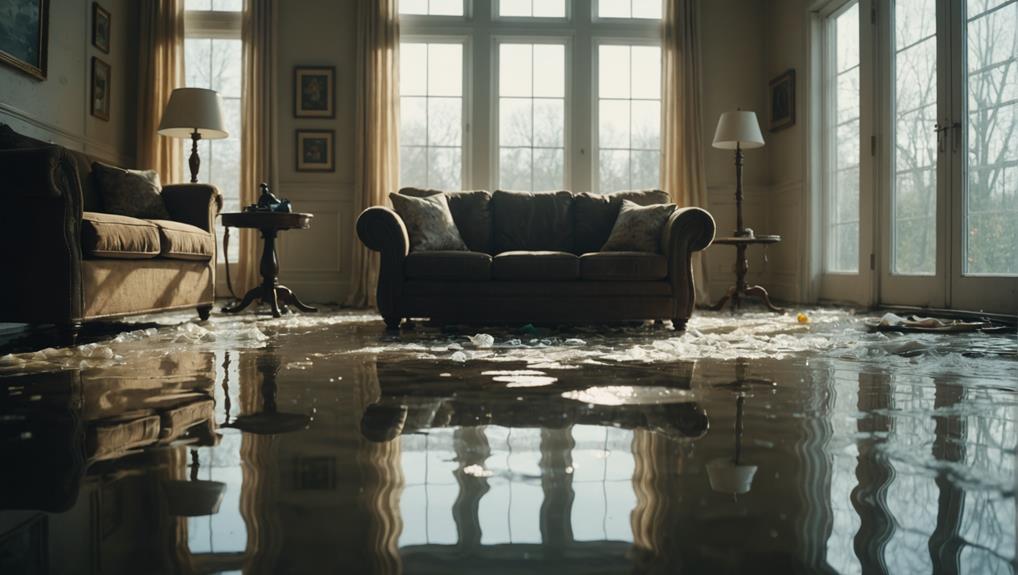
Structural drying is the phase that separates professional restoration from amateur cleanup, and it demands the most technical expertise of any step in the process. Even after thorough extraction removes all visible standing water, building materials retain significant absorbed moisture that must be eliminated before restoration can proceed. Drywall, wood framing, concrete, and insulation all act as moisture reservoirs that release water vapor gradually. Left unmanaged, this trapped moisture creates the conditions for mold colonization within 24 to 48 hours and causes progressive structural weakening that compromises the building envelope for years.
Our Auburn restoration teams deploy coordinated systems of commercial dehumidifiers and high-velocity air movers that work together to accelerate the natural evaporation process. The drying phase typically requires 3 to 5 days of continuous equipment operation, though heavily saturated structures or Category 3 events may extend this timeline. Technicians monitor conditions daily and adjust equipment placement as moisture patterns shift during the drying cycle.
Psychrometric Science Guides Equipment Placement
Psychrometry, the science of air-moisture relationships, governs every equipment placement decision during structural drying. Our technicians calculate the specific humidity, temperature, dew point, and vapor pressure conditions present in each affected space, then configure equipment to create the optimal drying environment. This involves balancing dehumidifier capacity against air mover volume to maintain conditions where evaporation rates from building materials exceed the air's capacity to hold additional moisture.
Air movers position at calculated angles against walls and floors to create turbulent airflow that disrupts the boundary layer of saturated air clinging to wet surfaces. This boundary layer disruption dramatically accelerates evaporation rates. Dehumidifiers then capture the evaporated moisture from the air column before it can redeposit on cooler surfaces elsewhere in the structure. Our technicians adjust this balance daily based on measured conditions, increasing airflow in areas where materials dry slowly and repositioning dehumidifiers as the moisture load shifts. This science-driven approach achieves drying timelines that passive ventilation methods cannot match, which directly reduces the time Auburn homeowners spend displaced from their properties.
Daily Moisture Readings Satisfy Insurance Requirements
Insurance carriers require documented proof that structural drying achieved target moisture levels before they will approve payment for reconstruction work. Our technicians record daily moisture readings at predetermined monitoring points throughout the affected area using pin-type and pinless moisture meters calibrated to the specific materials being measured. These readings produce a quantitative drying curve that demonstrates progressive moisture reduction from initial saturation levels down to the dry standard for each material type.
The documentation package includes timestamped moisture readings, equipment placement diagrams, temperature and humidity logs, and photographic evidence of conditions at each monitoring point. This comprehensive record satisfies the documentation requirements of every major insurance carrier operating in Georgia and provides the objective evidence adjusters need to authorize phase-by-phase payments. Auburn homeowners who work with certified restoration professionals benefit from this documentation discipline because it eliminates the claim disputes that frequently arise when drying metrics lack supporting data.
Phase 4: Restoration Completes Within 1 to 3 Weeks
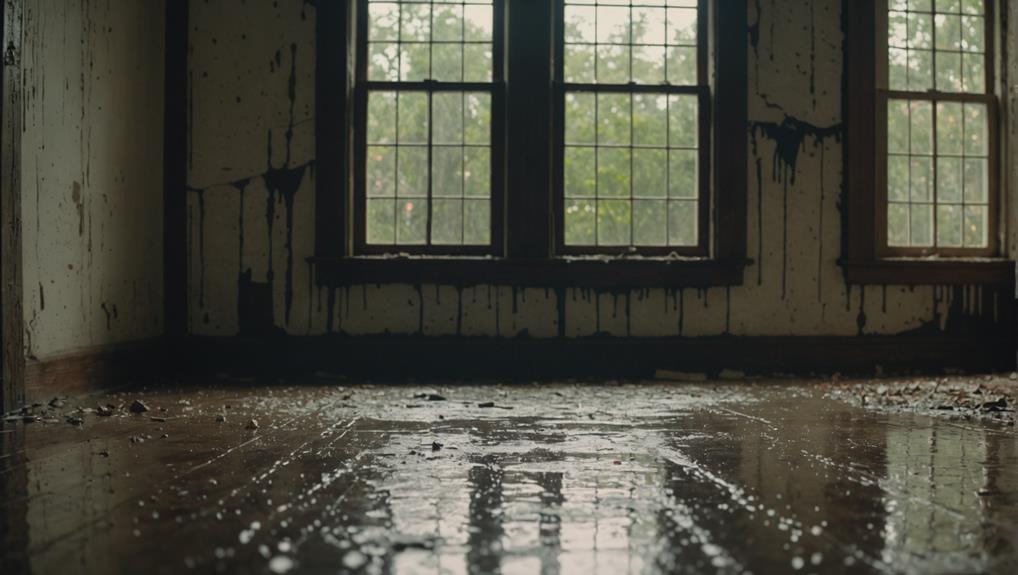
The restoration phase transforms a dried but damaged structure back into a livable home. This phase begins only after moisture monitoring confirms that all building materials have returned to their dry standard, the baseline moisture level appropriate for each material type in Auburn's climate zone. Premature reconstruction that encloses materials still holding elevated moisture creates hidden decay conditions that manifest months later as mold growth, paint failure, or structural deterioration behind finished surfaces.
Restoration scope varies enormously between projects. Minor water damage from a small supply line leak may require only baseboard replacement and repainting. A Category 3 flood event that saturated an entire lower level demands complete demolition of affected drywall, insulation, flooring, and trim followed by full reconstruction. Our project managers develop detailed scopes of work that itemize every material, labor hour, and equipment requirement, then coordinate directly with insurance adjusters to secure approval before work begins. This pre-authorization approach prevents the payment disputes that delay projects when restoration companies begin work without documented carrier agreement.
Damaged Material Follows Barrow County Disposal Regulations
Removing and disposing of water-damaged materials requires compliance with Barrow County disposal regulations that govern how contaminated building materials move from the job site to approved disposal facilities. Category 1 damaged materials such as wet drywall and carpet from clean water events may qualify for standard construction debris disposal. Category 2 and Category 3 materials require specific handling protocols including containment during removal, sealed transport, and disposal at facilities permitted to accept contaminated construction waste.
Our crews separate materials during demolition to maintain proper classification and chain of custody. Contaminated insulation receives separate containment from contaminated drywall. Carpet and pad assemblies are rolled and sealed before transport. Structural lumber that cannot be salvaged undergoes treatment and disposal according to its contamination category. This disciplined approach to material handling protects both our crews and the surrounding Auburn community from exposure to potentially hazardous substances, while maintaining the documentation trail that regulatory compliance demands.
Reconstruction Matches Original Materials
Our reconstruction teams restore Auburn properties to pre-loss condition by matching original materials, finishes, and construction methods as closely as possible. This standard, which insurance policies typically require, means that replacement drywall matches the original thickness and type, new flooring replicates the species, grade, and finish of the original installation, paint colors receive precise matching through spectrophotometer analysis, and trim profiles duplicate the existing millwork throughout the home.
Achieving material matches in older Auburn homes sometimes requires sourcing from specialty suppliers when original products have been discontinued. Our project managers maintain supplier relationships throughout Georgia and the Southeast that give us access to period-appropriate materials for homes across all construction eras represented in the Auburn housing stock. When exact matches prove unavailable, we consult with homeowners to select alternatives that integrate seamlessly with the existing construction, always documenting substitutions for insurance records and homeowner approval before installation proceeds.
Insurance Documentation Accompanies Every Phase
Insurance documentation is not an afterthought that our teams address when the project concludes. Documentation runs parallel to every restoration activity from the moment our emergency response crew arrives at your Auburn property. This real-time documentation approach produces a comprehensive claim package that insurance adjusters can process efficiently, which accelerates payment timelines and reduces the back-and-forth disputes that delay restoration progress.
During Phase 1, we capture the initial damage state through high-resolution photographs and detailed written descriptions that establish the baseline claim value. Phase 2 extraction records document equipment deployment, water volumes removed, and contamination category classifications. Phase 3 drying records provide the quantitative moisture data that proves structural materials reached acceptable dry standards. Phase 4 reconstruction documentation itemizes all materials installed, labor hours expended, and before-and-after comparisons that demonstrate pre-loss condition restoration.
Our documentation protocols align with Xactimate estimating software, the platform that the majority of insurance carriers use to evaluate restoration claims. By structuring our documentation to match Xactimate line-item categories, we eliminate the translation errors that occur when restoration companies submit estimates in non-standard formats. Auburn homeowners benefit from faster claim processing, fewer supplemental requests, and higher approval rates on initial submissions. For detailed information about how restoration costs break down by phase, our cost guide provides specific pricing benchmarks for the Auburn market.
Need Emergency Water Damage Restoration in Auburn, GA?
Our certified technicians respond within 60 minutes and guide your property through every phase of the restoration process. Insurance documentation included at no additional charge.
(888) 450-0858Call now for immediate emergency response.
FAQs About the Water Damage Restoration Process
The complete restoration timeline ranges from 1 to 3 weeks depending on damage severity and scope. Emergency response and water extraction typically conclude within the first 24 hours, structural drying requires 3 to 5 days, and reconstruction adds 1 to 2 additional weeks for moderate damage scenarios. Category 3 contamination events or large-scale structural involvement may extend these timelines. Our project managers provide Auburn homeowners with detailed schedules after the initial assessment and update those projections daily as conditions evolve.
Our certified technicians evaluate electrical hazards by checking breaker panel status and identifying submerged outlets, assess structural integrity by probing load-bearing members with calibrated moisture meters, identify the water source to stop active intrusion, and classify the damage according to IICRC S500 category standards. This 45 to 90 minute assessment establishes the safety framework and technical scope for the entire restoration project. Every finding is documented with photographs and written notes for your insurance claim file.
Yes. Insurance documentation accompanies every phase of our restoration process. We capture timestamped photographs of damage conditions, record daily moisture readings at established monitoring points, log equipment placement and runtime hours, and compile detailed scope-of-work reports formatted for Xactimate compatibility. This documentation package satisfies the requirements of every major insurance carrier operating in Georgia, and our experience shows that thorough documentation accelerates claim processing and reduces supplemental request cycles.
The IICRC S500 standard classifies water damage into three categories that determine required safety protocols and disposal procedures. Category 1 involves clean water from supply lines and poses no health risk. Category 2 covers gray water from appliances or overflows that contains contaminants. Category 3 addresses black water containing sewage or floodwater that requires extensive safety measures. Each higher category increases the scope of required personal protective equipment, antimicrobial treatments, and material disposal procedures, which directly impacts project timeline and restoration costs.
The 3 to 5 day structural drying timeline reflects psychrometric science and material physics that cannot be safely compressed beyond what professional equipment achieves. Premature termination of the drying phase risks trapped moisture that leads to mold colonization within 24 to 48 hours and progressive structural deterioration that manifests months later. Our technicians optimize airflow patterns and dehumidifier placement daily to achieve the fastest safe drying time, but the physics of moisture evaporation from building materials establishes a floor that no amount of additional equipment can meaningfully lower.
All damaged materials are sorted during demolition according to Barrow County disposal regulations and their IICRC contamination category. Category 1 materials may qualify for standard construction debris disposal, while Category 2 and Category 3 contaminated materials such as saturated drywall, insulation, and carpet padding require containment during removal, sealed transport, and disposal at facilities permitted to accept contaminated construction waste. We manage the entire removal and disposal process to maintain regulatory compliance and protect both our crews and the Auburn community.