IICRC-Certified Water Damage Restoration Follows ANSI/IICRC S500 at Every Phase
Professional certifications separate qualified water damage restoration technicians from general contractors who lack specialized training in moisture science, contamination protocols, and structural drying methodology. Every technician dispatched to Auburn GA properties holds current IICRC credentials and follows the procedural framework established by the ANSI/IICRC S500 Standard for Professional Water Damage Restoration, the definitive reference document governing the restoration industry since 1994.
These certifications require documented coursework, supervised field experience, and ongoing continuing education to maintain active status. The distinction matters because improper drying techniques, inadequate moisture detection, or failure to follow contamination category protocols can leave hidden moisture pockets that generate mold growth within 48 to 72 hours, turning a straightforward restoration into a far more expensive remediation project.
IICRC WRT Certification
The Water Restoration Technician credential validates competency in water damage inspection, psychrometry, drying science, and restoration project management. WRT-certified technicians understand moisture migration patterns through building assemblies and can calculate the precise number of air movers and dehumidifiers required for each drying chamber based on material type, ambient conditions, and contamination category.
ANSI/IICRC S500 Standard
The S500 Standard provides the procedural framework for every phase of water damage restoration, from initial inspection through final moisture verification. This consensus document defines water damage categories (1 through 3), contamination classes (1 through 4), and the specific protocols required at each classification level. Our technicians reference S500 requirements when establishing containment barriers, selecting antimicrobial agents, and determining which materials require removal versus in-place drying.
EPA Lead-Safe Certification
Properties built before 1978 may contain lead-based paint that becomes a serious inhalation hazard when disturbed during water damage restoration. Our EPA Lead-Safe certification ensures that technicians follow the Renovation, Repair, and Painting (RRP) Rule when removing water-damaged materials in older Auburn homes, including proper containment setup, HEPA-filtered dust suppression, and compliant waste disposal procedures.
Four Restoration Phases Transform Water-Damaged Auburn Properties to Pre-Loss Condition
The water damage restoration process follows a systematic four-phase approach that addresses both visible water and hidden moisture trapped within wall cavities, subfloor assemblies, and insulation layers. Each phase builds upon the previous one, and skipping or shortcutting any step compromises the entire restoration outcome.
Emergency Water Extraction
Truck-mounted extractors remove standing water at rates exceeding 200 gallons per minute. Portable extractors address water trapped beneath cabinetry, inside wall cavities, and under floating floors where truck lines cannot reach. Extraction begins within minutes of arrival because every hour of standing water increases drying time by approximately one full day.
Sanitization and Antimicrobial Treatment
After extraction removes standing water, antimicrobial agents neutralize bacteria, viruses, and fungal spores on all affected surfaces. Category 2 and Category 3 events require EPA-registered biocides applied per manufacturer specifications. HEPA-filtered negative air scrubbers establish containment and remove airborne particulates throughout the treatment phase.
Structural Drying and Dehumidification
Dri-Eaz LGR dehumidifiers and high-velocity air movers create calculated psychrometric conditions that draw moisture from structural materials at optimal rates. Technicians monitor progress twice daily using Tramex moisture meters and document readings until all materials reach IICRC dry standard thresholds specific to each material type and regional equilibrium moisture content.
Restoration and Reconstruction
Once verified dry, the rebuild phase replaces damaged drywall, flooring, trim, and structural components to return your property to pre-loss condition. A single restoration company managing both drying and rebuild prevents the communication gaps and accountability issues that arise when separate contractors handle each phase independently.
Water Damage Restoration in Auburn Costs $2,000 to $8,000 Per Emergency
Understanding water damage restoration costs helps Auburn property owners make informed decisions and avoid overpaying for services that should follow standardized pricing based on damage scope. The primary cost drivers are water damage category, affected square footage, structural material types involved, and the time elapsed between the water event and the start of extraction.
Category 1 clean water events from burst supply lines or appliance overflows typically cost $2,000 to $4,000 when extraction begins within two hours. Category 2 gray water events involving dishwasher failures, HVAC condensate overflows, or washing machine discharge range from $3,500 to $6,000 due to required antimicrobial treatment. Category 3 black water emergencies from sewage backups or storm flooding reach $5,000 to $8,000 or more because all porous materials within the affected footprint require removal and replacement per ANSI/IICRC S500 protocols.
Insurance typically covers sudden and accidental water damage, but policy limits, deductibles, and exclusions for neglected maintenance or gradual seepage vary significantly. We provide Xactimate-formatted estimates that insurance adjusters recognize as industry standard, and our team coordinates directly with your carrier to document every phase of restoration for claims support.
Auburn GA Properties Face Elevated Risk From Piedmont Red Clay Soil and Mulberry River Watershed
Auburn sits within Georgia's Piedmont geological region where Piedmont red clay soil dominates the landscape from the Mulberry River watershed through residential developments across Barrow County. This clay soil has extremely low permeability compared to the sandy soils found in Georgia's Coastal Plain, meaning rainfall saturates the surface rather than percolating through the soil profile. During heavy rain events, hydrostatic pressure builds against foundations and forces water through cracks, expansion joints, and unsealed utility penetrations into crawlspaces and basements.
The Mulberry River and its tributaries drain much of the Auburn area, and properties within the watershed face compounded flooding risk when storm events produce rapid runoff that overwhelms municipal drainage systems. Flash flooding conditions develop quickly in low-lying areas adjacent to creek channels, and the combination of impervious clay soil, steep Piedmont topography, and increasing impervious surface area from development concentrates stormwater into narrow drainage corridors that overflow during sustained rainfall.
We serve Auburn and the surrounding communities throughout the 30011 zip code and Barrow County:
- Auburn
- Winder
- Dacula
- Braselton
- Carl
- Statham
- Bethlehem
Emergency Water Damage Services Restore Auburn Properties Around the Clock
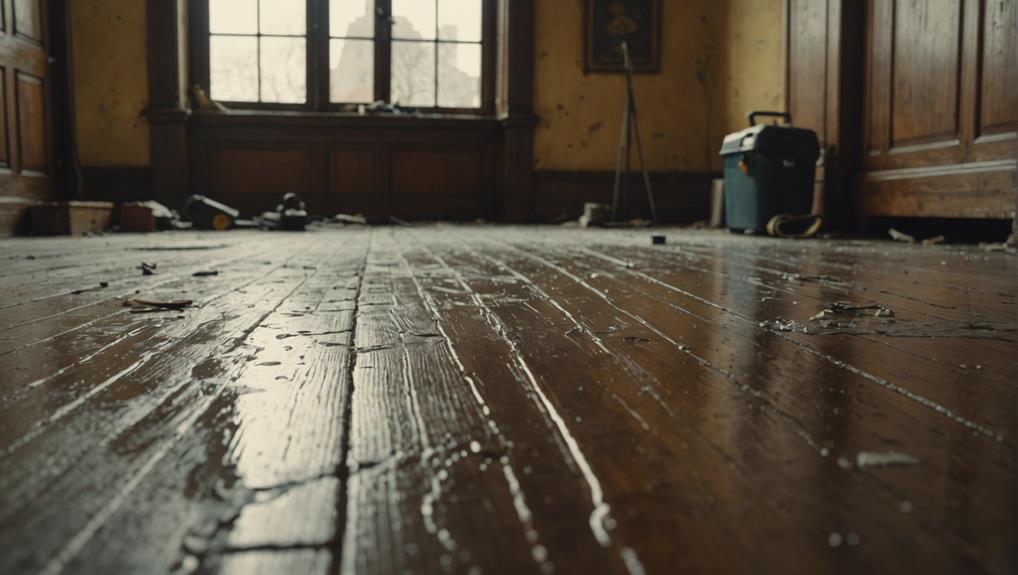
Burst Pipe Emergencies
Burst pipes release 4 to 8 gallons per minute into wall cavities, subfloors, and finished spaces. Our emergency extraction teams isolate the water source, deploy truck-mounted pumps, and begin structural drying within the first hour to prevent moisture migration into adjacent building assemblies.
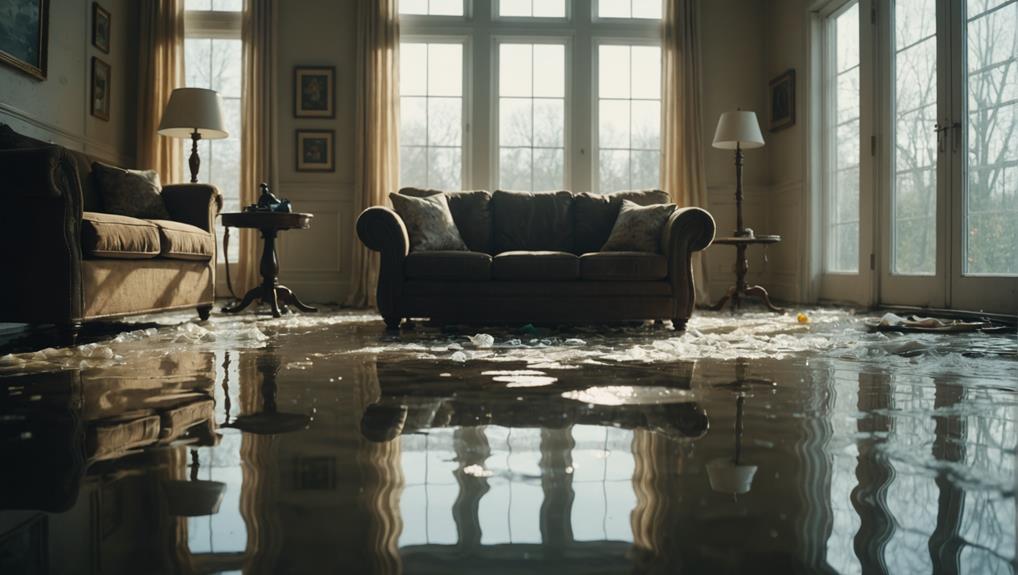
Flood Damage Restoration
Flood events in the Mulberry River watershed introduce Category 3 contaminated water that requires full biocide treatment and removal of all porous materials per ANSI/IICRC S500. Our crews establish containment barriers, deploy HEPA-filtered air scrubbers, and execute systematic demolition of compromised structural components.
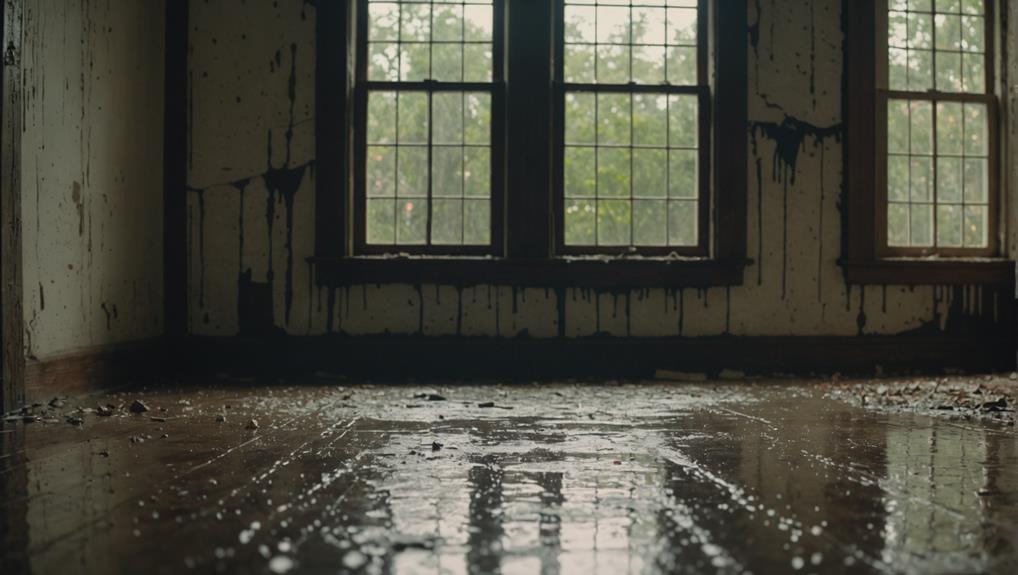
Mold Prevention and Remediation
Mold colonization begins within 48 to 72 hours of sustained moisture exposure on organic building materials. Our antimicrobial protocols, negative air pressure containment, and verified structural drying prevent the conditions that allow fungal growth. When mold is already present, we follow IICRC S520 remediation standards.
Professional Equipment Separates Certified Restoration From DIY Attempts
The gap between professional water damage restoration and DIY cleanup attempts centers on equipment capacity, moisture detection capability, and knowledge of building science principles that govern how water migrates through structural assemblies. A consumer-grade wet vacuum extracts surface water from visible areas, but it cannot remove moisture that has wicked into wall cavities, migrated beneath floating floors, or saturated subfloor sheathing and floor joists that are only accessible from below.
Professional truck-mounted extraction units remove water at 200 gallons per minute compared to 1 to 2 gallons per minute from consumer equipment. Industrial LGR dehumidifiers pull 30 or more gallons of moisture from the air daily, while residential units manage 3 to 5 gallons. More importantly, professional technicians use Tramex moisture meters and FLIR thermal imaging to identify hidden moisture reservoirs that homeowners cannot detect visually, preventing the secondary mold growth and structural deterioration that frequently follow incomplete DIY drying efforts.
The cost difference between professional restoration and subsequent mold remediation after a failed DIY attempt typically ranges from $3,000 to $10,000, making professional intervention the more cost-effective path for any water event larger than a minor spill confined to a single hard-surface floor.
Water Damage Prevention Protects Auburn Properties Year-Round
Preventing water damage costs a fraction of what restoration requires, and a seasonal maintenance schedule addresses the specific risks that Auburn properties face throughout the year. Georgia's Piedmont climate produces heavy spring thunderstorms, sustained summer humidity, fall leaf accumulation in gutters and downspouts, and occasional winter freeze events that stress plumbing systems and building envelopes.
Spring (March - May)
- Inspect roof for winter storm damage
- Clear gutters and extend downspouts 6 feet from foundation
- Test sump pump operation and battery backup
- Check crawlspace for standing water or moisture
Summer (June - August)
- Service HVAC condensate drain lines
- Inspect washing machine hoses for bulging or cracking
- Monitor basement humidity with a hygrometer
- Grade soil away from foundation at 6-inch drop per 10 feet
Fall (September - November)
- Clean gutters after leaf drop
- Insulate exposed pipes in crawlspaces and attics
- Inspect water heater for corrosion or leaking
- Seal foundation cracks with hydraulic cement
Winter (December - February)
- Maintain thermostat at 55 degrees minimum if away
- Open cabinet doors to warm pipes during freezes
- Locate and label main water shutoff valve
- Disconnect and drain outdoor hoses and spigots
Properties built before 1978 should schedule an annual inspection of plumbing supply lines, drain assemblies, and water heater connections, as aging galvanized pipe, cast iron drains, and polybutylene supply lines represent the highest-risk failure points in Auburn's older housing stock. Replacing these components proactively prevents the emergency scenarios that require restoration rather than routine maintenance.
Need Emergency Water Damage Restoration in Auburn GA?
Water damage spreads into wall cavities and subfloors within hours. Our IICRC-certified technicians respond within 60 minutes with industrial-grade extraction, structural drying, and complete restoration services.
(888) 450-0858Call now for 24/7 emergency response.
FAQs About Water Damage Restoration in Auburn GA
Water damage restoration in Auburn GA typically costs between $2,000 and $8,000 per emergency, depending on the damage category, affected square footage, and structural involvement. Category 1 clean water events from burst supply lines average $2,000 to $4,000, while Category 3 black water emergencies involving sewage or floodwater can reach $6,000 to $8,000 or more due to biocide treatment and porous material removal. Your final cost depends on how quickly extraction begins, because every hour of delay increases drying time and secondary damage.
Our IICRC-certified crews maintain a 60-minute response time throughout Auburn GA and the 30011 zip code, with dispatched teams arriving fully equipped with truck-mounted extractors, Dri-Eaz dehumidifiers, and Tramex moisture meters. Evening and weekend calls receive identical priority because water damage escalates exponentially during the first 24 to 48 hours. Rapid arrival allows technicians to begin extraction before moisture migrates into wall cavities, subfloors, and HVAC ductwork.
Most standard homeowner policies in Georgia cover sudden and accidental water damage such as burst pipes, appliance failures, and roof leaks caused by storms, but they typically exclude gradual seepage, neglected maintenance, and rising floodwater. We document every phase of restoration with timestamped photographs, moisture readings, and detailed line-item invoices formatted to Xactimate standards that insurance adjusters require. Our team coordinates directly with your carrier throughout the claims process to help maximize your covered benefits and minimize out-of-pocket costs.
The IICRC classifies water damage into three categories that determine the required restoration protocols and costs. Category 1 involves clean water from supply lines or appliance overflows posing no immediate health risk. Category 2 gray water contains chemical or biological contaminants from dishwashers, washing machines, or sump pump failures requiring antimicrobial treatment. Category 3 black water from sewage backups or floodwater demands full PPE, EPA-approved biocide application, and removal of all porous materials per ANSI/IICRC S500 standards.
A typical water damage restoration project in Auburn GA spans three to seven days for the drying phase alone, with full structural repairs potentially extending the timeline to two to four weeks depending on damage severity. Category 1 events in single rooms often reach dry standard within 72 hours when extraction begins within the first two hours. Category 3 events or whole-home flooding requires extended drying cycles, structural material removal, and rebuild phases that can push the total project timeline to several weeks.
Professional restoration requires industrial-grade equipment that far exceeds consumer-grade alternatives in extraction capacity and drying efficiency. Our technicians deploy truck-mounted extraction units capable of removing 200 gallons per minute, Dri-Eaz LGR dehumidifiers that pull 30 or more gallons of moisture daily, and high-velocity air movers that create strategic airflow patterns across wet surfaces. We also use Tramex moisture meters, FLIR thermal imaging cameras, and thermo-hygrometers to monitor drying progress and verify that all materials meet IICRC dry standard thresholds before restoration begins.
Whether you can remain in your home depends on the water damage category, the extent of affected areas, and potential safety hazards. Category 1 events confined to a single room typically allow occupancy in unaffected areas, though industrial dehumidifiers and air movers generate significant noise. Category 2 and Category 3 events often require temporary relocation due to antimicrobial treatments, airborne contaminant risks, and the need to remove flooring, drywall, and baseboards throughout affected zones. Our team assesses structural integrity, air quality, and electrical safety before making a relocation recommendation.
Begin documenting immediately by photographing all affected areas, damaged belongings, and the water source before any cleanup begins. Record the date and approximate time you discovered the damage, preserve any failed components like burst pipe sections or malfunctioning appliance parts, and contact your insurance carrier within 24 hours to open a claim. Our technicians supplement your documentation with professional-grade moisture mapping, thermal imaging reports, and Xactimate-formatted estimates that adjusters recognize as industry standard for loss quantification.
Piedmont red clay soil throughout the Auburn and Barrow County region has extremely low permeability, meaning rainfall and snowmelt pool on the surface rather than draining through the soil profile. During heavy rain events, this clay saturation creates hydrostatic pressure against foundations, forcing water through cracks, expansion joints, and unsealed utility penetrations into crawlspaces and basements. Properties near the Mulberry River watershed face compounded risk during storm events when rising water tables combine with surface runoff to overwhelm drainage systems and create flash flooding conditions.
Restoration encompasses the complete process of returning a water-damaged property to its pre-loss condition, including water extraction, structural drying, antimicrobial treatment, content cleaning, and final reconstruction. Repair refers specifically to the rebuild phase where damaged drywall, flooring, trim, and structural components are replaced or reconstructed. A qualified restoration company handles both phases under a single scope of work, which prevents communication gaps between separate contractors and ensures that all materials are verified dry before new building materials are installed over them.